

Chemical plants are major industrial energy consumers, and ammonia handling ranks among the most energy-intensive operations. Modern ammonia unloading compressors are transforming this landscape through oil-free piston design, integrated system architecture, and digital intelligence. These advances deliver significant energy reductions compared with conventional equipment. This article examines the key trends—from advanced materials to smart controls—and demonstrates how they are delivering measurable efficiency improvements across chemical operations.
Key Takeaways
- · Modern ammonia unloading compressors cut energy use by 15-20%.
- · Oil-free designs prevent contamination and reduce maintenance.
- · Digital monitoring predicts problems and avoids downtime.
- · These compressors help meet environmental rules and save money.
- · Upgrading now boosts efficiency and sustainability in chemical plants.
- · Diaphragm compressors provide an alternative high-purity solution for ammonia service for applications with stringent product purity requirements.
Ammonia Unloading Compressor Technology Advances
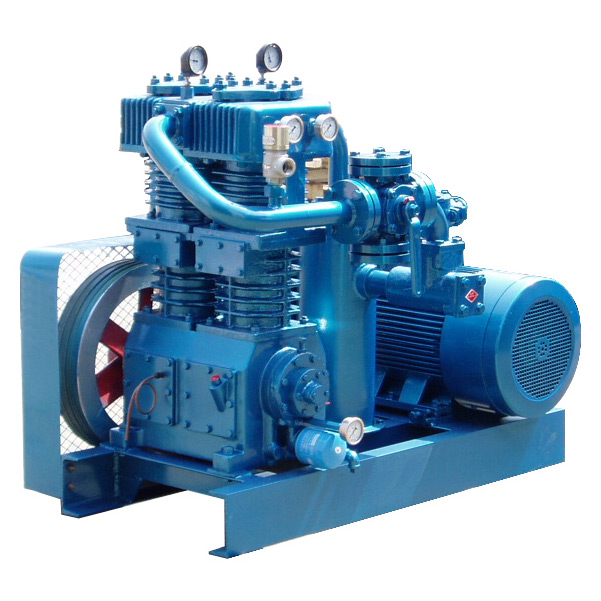
Oil-free vertical piston compressors represent a significant leap forward in ammonia-handling equipment. This design eliminates oil contamination risks while delivering reliable performance for liquefied gas transfer. The vertical cylinder structure and low rotational speed reduce wear on internal components. These design choices directly lower energy consumption and extend the operational life of the unit.
Alternative technology option: Diaphragm compressors As an alternative for ammonia service, diaphragm compressors utilise a metallic diaphragm to separate the oil lubricated hydraulic section from the process gas cylinder. This physical isolation ensures the ammonia process gas is completely free of lubricant contamination, delivering exceptional gas purity. This makes diaphragm compressors well suited for applications demanding high ammonia product purity. Founded in 1985, Huayan has long standing manufacturing experience with diaphragm compressors, operating a 91 260 m² cooperative production facility with proven export track record for ammonia and specialty gas compression packages.
Next-Generation Materials and Seal Design
Modern ammonia unloading compressor designs prioritise durability through careful material selection and seal engineering, aligned with requirements of API 618 and the Chinese petrochemical standard SDEP-SPT-RE2013-2008 Reciprocating Compressor Technical Specification, which govern oil-free lubrication, packing sealing and overhaul interval requirements. Oil-free vertical piston compressors integrate multiple components into a single compact unit. This integration reduces potential leak points and simplifies installation, complying with design philosophies laid out in GB/T 25359-2010 Integrated Skid-Mounted Reciprocating Compressors for Petroleum and Natural Gas Industry (MOD ISO 13631:2002).
The integrated unit includes:
- · Compressors, gas-liquid separators, and filters
- · Two-way four-port valves, safety valves, and check valves
- · Explosion-proof motors and chassis
Ammonia (NH₃) is flammable within a volumetric concentration range of approximately 15 %-28 %, so ammonia unloading zones are classified as hazardous explosive atmospheres per GB 50058 Code for Design of Electrical Installations in Explosive Atmospheres and the GB 3836 series for explosive atmospheres electrical equipment. Equipment deployed shall achieve a minimum explosion-proof rating of at least Ex d IIB T4 Gb, selected in accordance with site hazardous-area zoning assessment.
Low rotational speed and high component strength contribute to smooth operation, with mechanical vibration evaluated in accordance with GB/T 7777-2021 Measurement and Evaluation of Mechanical Vibration for Positive Displacement Compressors and noise measured per GB/T 4980-2025 Determination of Noise for Positive Displacement Compressors. These features collectively result in long service life and easy maintenance, consistent with JB/T 6428-2016 Oil-Free Reciprocating Piston Compressors for High-Purity Nitrogen for oil-free mechanical design principles and HG/T 3184-1987 Terminology for Chemical Reciprocating Piston Compressors for terminology governance.
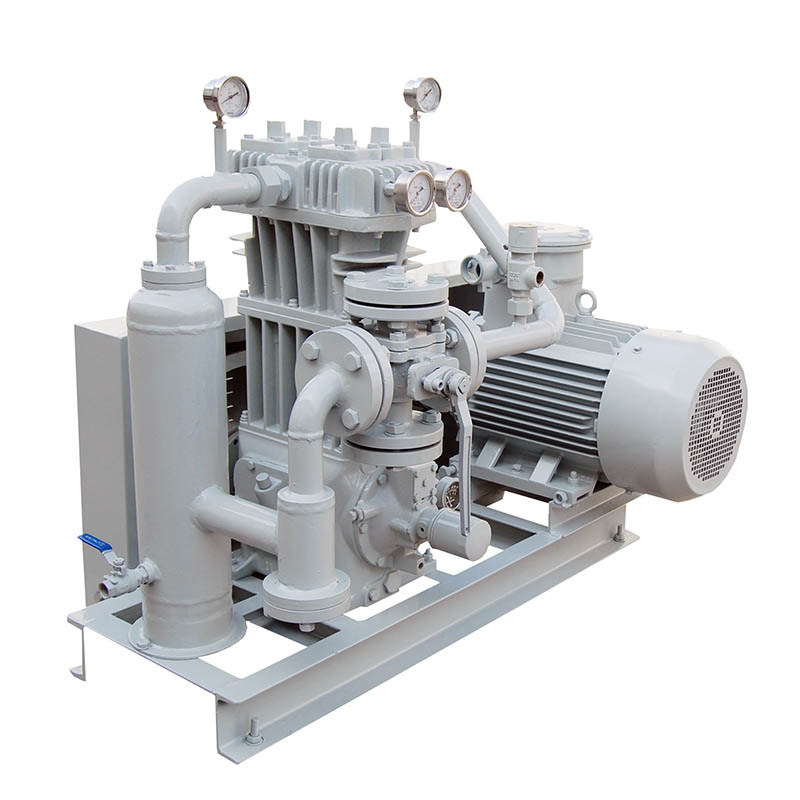
The oil-free piston design removes the need for lubricant management. This eliminates oil carry-over concerns and reduces maintenance intervals. Plants avoid the cost of oil disposal and the risk of product contamination. The compact footprint allows installation in tight spaces without sacrificing performance. Lightweight construction further simplifies handling during installation and service. Each of these material and design choices compounds over time. The result is equipment that operates efficiently for years with minimal intervention. General design for reciprocating compressor hardware follows GB/T 20322-2006 Reciprocating Compressors for Petroleum and Natural Gas Industries (MOD ISO 13707:2000).
Digitalization and Predictive Maintenance
Digital monitoring systems are reshaping how chemical plants maintain their ammonia unloading compressor fleets, complying with GB/T 41099-2021 Specification for Monitoring System of Reciprocating Piston Compressors. These systems capture performance data continuously and alert operators to emerging issues before they escalate. The measurable benefits are substantial.
|
Measurable Benefit |
Evidence from Digital Monitoring System |
| Anomaly detection rate | Detects up to 90% of compressor operation anomalies |
| Maintenance cost reduction | Lower maintenance costs by extending mean time between overhauls (MTBO) through predictive maintenance |
| Downtime reduction | Early identification of issues in key components minimizes downtime and enables smoother operations |
| Availability | Maximized availability via continuous monitoring and quicker issue resolution |
| Safety improvement | Safer operations with fewer surprises and minimized potential damages |
| Maintenance optimization | Smoother, more predictable workflows through automated action recommendations |
| Remote monitoring | Cloud-based access to performance data and trends across fleets |
| Data-driven assessments | Regular data reviews as part of service agreements |
Predictive maintenance transforms the service model from reactive to proactive. Technicians receive automated action recommendations before failures occur. Cloud-based access allows fleet managers to compare performance across multiple sites. Regular data reviews become part of service agreements. This approach maximizes equipment availability and reduces unplanned outages. The combination of robust mechanical design and digital intelligence creates a powerful efficiency platform. Plants gain visibility into compressor health without constant manual inspection. Operators can schedule maintenance during planned shutdowns rather than emergency repairs. This shift alone reduces disruption to production schedules. The data also informs long-term capital planning. Managers identify which units need replacement first and budget accordingly.
Direct Efficiency Gains in Chemical Operations
Chemical plants that handle ammonia face constant pressure to cut energy costs and reduce carbon emissions. Ammonia unloading compressor facilities shall follow plant layout and fire-protection requirements from GB 50160 Standard for Fire-Protection Design of Petrochemical Enterprises, which governs fire safety and layout for liquid ammonia storage and unloading installations.
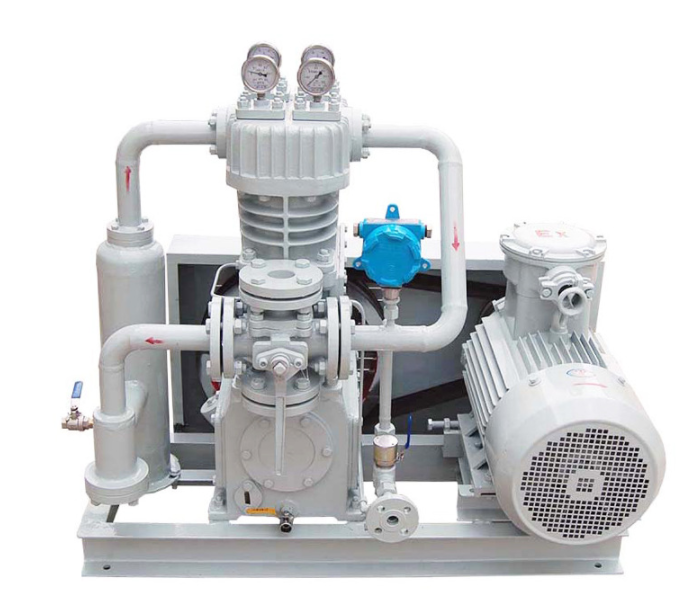
An ammonia unloading compressor directly addresses these demands through a well-proven operating principle. Instead of using a pump to force liquid ammonia from a tank truck, the compressor pressurizes the vapor space. This creates a pressure differential that pushes the liquid smoothly into the storage tank. The method consumes far less electricity than conventional liquid pumping. Older reciprocating and rotary compressors often relied on oil-lubricated cylinders and higher rotational speeds. Those designs wasted energy through friction and required more power input for the same throughput. Modern oil-free vertical piston compressors operate with a vertical cylinder and low rotation speed. These features reduce internal resistance. The result is significant energy reduction for unloading operations.
Energy Savings and Reduced Carbon Footprint
The power range of these compressors spans from low to high capacities, allowing plants to match the equipment exactly to their workload. Oversizing, a common source of waste, becomes unnecessary. The pressure differential method also eliminates the need for high-head pumps. Those pumps consume more electricity and generate more heat. The oil-free design removes the energy needed to circulate and cool lubricating oil. These savings compound over each unloading cycle. Plants that run multiple loads per day see significant kWh reductions. Lower electricity use directly lowers the carbon footprint. The elimination of oil also avoids disposal costs and potential environmental spills. The integrated unit includes a gas-liquid separator, filter, and safety valves. This integration reduces pressure losses across separate components. Every saved kilowatt contributes to a more sustainable chemical operation.
Process Reliability and Uptime Improvements
Downtime in ammonia handling is expensive. A broken compressor forces a plant to delay shipments or use backup equipment. Ammonia unloading compressors built with a vertical cylinder and low rotation speed have fewer moving parts than older designs. Many reciprocating compressors use multiple cylinders, complex valve trains, and oil pumps. Each component is a potential failure point. Oil-free vertical piston compressors simplify the design. They integrate the compressor, motor, separator, filters, and valves into a single chassis. This reduces the number of pipes and joints that can leak. The oil-free piston rings and seals are engineered for long wear. Maintenance teams need to inspect only a few items: valve plates, piston rings, and seals. The intervals between overhauls stretch much longer than with traditional equipment. The robust construction handles a wide range of inlet pressures without stress. The explosion-proof motor complies with GB 50058 and GB 3836-series requirements and adds a layer of safety and reliability. Plants report fewer emergency shutdowns and smoother daily operations. Higher uptime means more tons of ammonia moved per shift. Production schedules stay on track. Maintenance costs drop because labour and spare parts are reduced. The combination of energy savings, lower emissions, and improved reliability makes this technology a clear choice for modern chemical facilities.
Real-World Results with Ammonia Unloading Compressors
Fertilizer Plant Unloading Efficiency
A large fertilizer plant handles thousands of tons of ammonia each month. The ammonia unloading compressor delivers unloading speeds that keep pace with this high demand. It uses the pressure differential method. The compressor pressurizes gas from the storage tank and feeds it into the tank truck. This creates a pressure difference that pushes liquid ammonia into storage. Capacities span a wide range to match workload. Inlet pressures cover typical process requirements. Plants select the compressor model that matches their specific workload. Oversizing becomes unnecessary. Faster unloading cycles follow from this precise matching. One plant reduced unloading time significantly compared to older equipment. The oil-free design eliminates oil changes and disposal costs. Maintenance teams spend less time on service tasks. The integrated gas-liquid separator and filters reduce pressure losses. Significant energy savings are common in these operations. The compressor runs smoothly through multiple cycles each day. Production schedules stay on track. The fertilizer plant achieves higher efficiency without sacrificing reliability. Lower electricity consumption also reduces the carbon footprint. The compact unit fits into existing space without major modifications, consistent with layout guidance from GB 50160. These results demonstrate measurable gains from modern compressor technology.
Specialty Chemicals Gas Recovery
Specialty chemical operations handle smaller batches of valuable gases. These facilities need precise recovery methods to minimize product loss. The ammonia unloading compressor equipped with an optional cooler excels at residual gas recovery. After the main liquid transfer completes, gas remains in the tank truck and piping. The compressor draws this residual gas and compresses it for return to storage. The optional cooler condenses the compressed gas back into liquid form. This process recovers product that would otherwise be vented or flared. The recovered liquid goes directly back into inventory. Savings from recovered product often justify the investment within months. The same compressor handles loading, unloading, and refilling tasks across multiple gas types. The wide capacity range allows plants to select the right unit for batch sizes. Inlet pressures cover typical specialty chemical applications. The oil-free design prevents contamination of sensitive chemical products. For ultra-high-purity ammonia requirements, diaphragm compressor solutions may be considered as an alternative option. The compact footprint fits into existing process areas without major modifications. Gas recovery rates improve significantly with the optional cooler. Plants reduce emissions and meet stricter environmental standards. The compressor pays for itself through product savings and lower energy costs. Specialty chemical facilities gain a versatile tool. It enhances both efficiency and sustainability.
Market and Regulatory Drivers
Environmental Regulations Impacting Adoption
Tighter emission standards are reshaping equipment decisions across the chemical sector. The US EPA and EU Emissions Trading System (EU ETS) enforce strict limits on fugitive emissions and energy consumption. Meanwhile, Chinese petrochemical facilities shall comply with national standards including GB 50160, GB 50058 and GB 3836-series for safety, leakage control and hazardous-area electrical requirements. These rules push plants toward leak-proof, energy-efficient compressor designs. An ammonia unloading compressor with an integrated gas-liquid separator, safety valves, and check valves reduces potential leak points. The oil-free piston design eliminates lubricant carry-over and the associated disposal concerns. Facilities that handle ammonia must demonstrate compliance with these standards during audits. Equipment that minimizes fugitive emissions helps plants avoid penalties and maintain their operating permits. Oil-free vertical piston compressors meet these demands through sealed, integrated construction.
Regulatory pressure also extends to carbon reporting. Plants must track energy consumption per ton of ammonia moved. A compressor that cuts electricity use directly lowers the reported carbon intensity. This improvement supports corporate sustainability targets and satisfies disclosure requirements. Many chemical companies now include compressor efficiency in their annual environmental reports. The shift toward low-emission equipment is no longer optional for facilities operating in regulated markets.
Economic Incentives and ROI
Government incentive programs increasingly reward plants that upgrade to low-emission equipment. These programs offer tax credits, accelerated depreciation, and direct rebates for energy-efficient compressor installations. A facility that replaces an older reciprocating unit with a modern oil-free vertical piston compressor can offset a significant portion of the capital cost. The remaining investment recovers quickly through lower electricity bills and reduced maintenance expenses. Payback periods of one to two years are common when variable-speed drives are used in high-utilization plants.
The financial case extends beyond energy savings. Fewer moving parts mean lower spare-parts inventory and less labour for overhauls. The integrated design reduces installation costs because the unit arrives as a complete package. Plants avoid the expense of separate piping, wiring, and component assembly. The one-year warranty and on-site installation support further lower the total cost of ownership. Decision-makers who benchmark their facilities against these trends will find that the economic argument for upgrading is compelling. The combination of regulatory pressure and financial return makes this the right time to evaluate compressor fleet upgrades.
Future Outlook and Strategic Actions
Emerging Technologies on the Horizon
The next wave of compressor innovation centres on connectivity and adaptive control, aligned with GB/T 41099-2021 requirements for compressor monitoring systems. IoT-enabled remote monitoring allows plant managers to track performance across multiple sites from a single dashboard. Smart valves will integrate directly with compressor control systems. These valves adjust flow automatically based on real-time pressure readings. Variable-speed drives represent another significant advance. According to The Natural Refrigeration, variable-speed drives enhance part-load efficiency compared to slide-valve unloading methods. A variable-frequency drive maintains constant suction pressure through continuous speed adaptation to load fluctuations. This approach yields higher efficiency and significant energy savings. Payback periods of one to two years are common. Lower speeds reduce energy costs and mechanical wear. Fewer starts and stops further extend equipment life. These technologies will become standard features on ammonia unloading compressors within the next decade.
Actionable Steps for Chemical Sector Leaders
Leaders should begin with a comprehensive audit of their current compressor fleets. This audit identifies units with high energy consumption or frequent maintenance needs. Prioritising oil-free designs (or diaphragm compressor alternatives for high-purity demands) for critical ammonia-transfer operations protects product purity and reduces regulatory risk. Partnering with manufacturers for lifecycle support ensures access to spare parts, technical guidance, and upgrade pathways.
The following table pairs market observations with recommended strategic actions.
|
Market Observation |
Recommended Strategic Action |
| Strict regulatory standards drive demand for oil-free compressors. | Invest in R&D for compliant, energy-efficient models, referencing Chinese national standards, API 618 and industry specifications. |
| Digital integration is a key differentiator. | Incorporate IoT and automation features complying with GB/T 41099-2021. |
| Local manufacturing improves supply-chain resilience. | Establish regional alliances to reduce lead times. |
| Sustainability influences purchasing decisions. | Develop compressors with reduced lifecycle emissions; expand product portfolio including diaphragm-type solutions for high-purity ammonia. |
| Market maturity favours incremental innovation. | Optimize existing technologies and expand services. |
These steps position chemical facilities to capture efficiency gains and maintain compliance.
Three forces now reshape chemical-sector efficiency. Technology evolution brings oil-free piston designs, diaphragm compressor alternatives and digital monitoring. Direct operational gains deliver significant energy reductions and higher uptime. Regulatory pressure from the US EPA, EU ETS as well as Chinese national and petrochemical standards demands leak-proof, low-emission equipment. As the industry moves toward net-zero goals, ammonia unloading compressors will remain a cornerstone of sustainable, high-efficiency chemical processing. Decision-makers should evaluate upgrade options now. Benchmark your facilities against these trends. Audit your compressor fleet. Prioritise oil-free or diaphragm designs for critical ammonia transfer. Partner with manufacturers for lifecycle support. These steps capture efficiency gains and maintain compliance. Act today to secure your competitive advantage.
FAQ
What makes an oil-free piston compressor different from traditional designs? An oil-free piston compressor removes lubricant from the compression chamber. This design prevents oil carry-over into ammonia or LPG streams. Traditional oil-lubricated units require constant lubricant management and disposal. Oil-free vertical piston compressors eliminate these tasks. Plants gain cleaner product handling and fewer maintenance intervals. For ultra-high-purity ammonia service, diaphragm compressors provide an alternative solution with full oil-gas isolation.
How does the pressure-differential method reduce energy use? The compressor pressurizes vapour from the storage tank and feeds it into the tank truck. This pressure difference pushes liquid out without a high-head pump. The method consumes less electricity than liquid pumping. Plants typically see significant energy savings compared with older reciprocating or rotary compressors.
What capacity and pressure ranges are available? Oil-free vertical piston compressor families cover a wide power range to match workload requirements. Capacities span from low to high values as needed. Inlet pressures cover typical process conditions. This wide range lets plants match the compressor to their exact workload. Oversizing becomes unnecessary. Diaphragm compressor variants are available for specialty high-purity ammonia duties.
Can one compressor handle unloading, loading, and gas recovery? Yes. The same unit performs unloading, loading, refilling, gas recovery, and residual-liquid recovery. An optional cooler enhances residual-gas recovery by condensing compressed vapour back into liquid. This versatility reduces equipment count and simplifies plant layout.
What support comes with the compressor? Each unit includes a one-year warranty, quick after-sales response, and on-site installation support. The integrated package arrives with compressor, motor, separator, filters, and valves on a single chassis. This complete design reduces installation time and piping costs. All delivered equipment shall satisfy relevant Chinese national standards, GB 3836-series explosion-proof requirements, and applicable industry specifications.
Post time: Sep-28-2026