

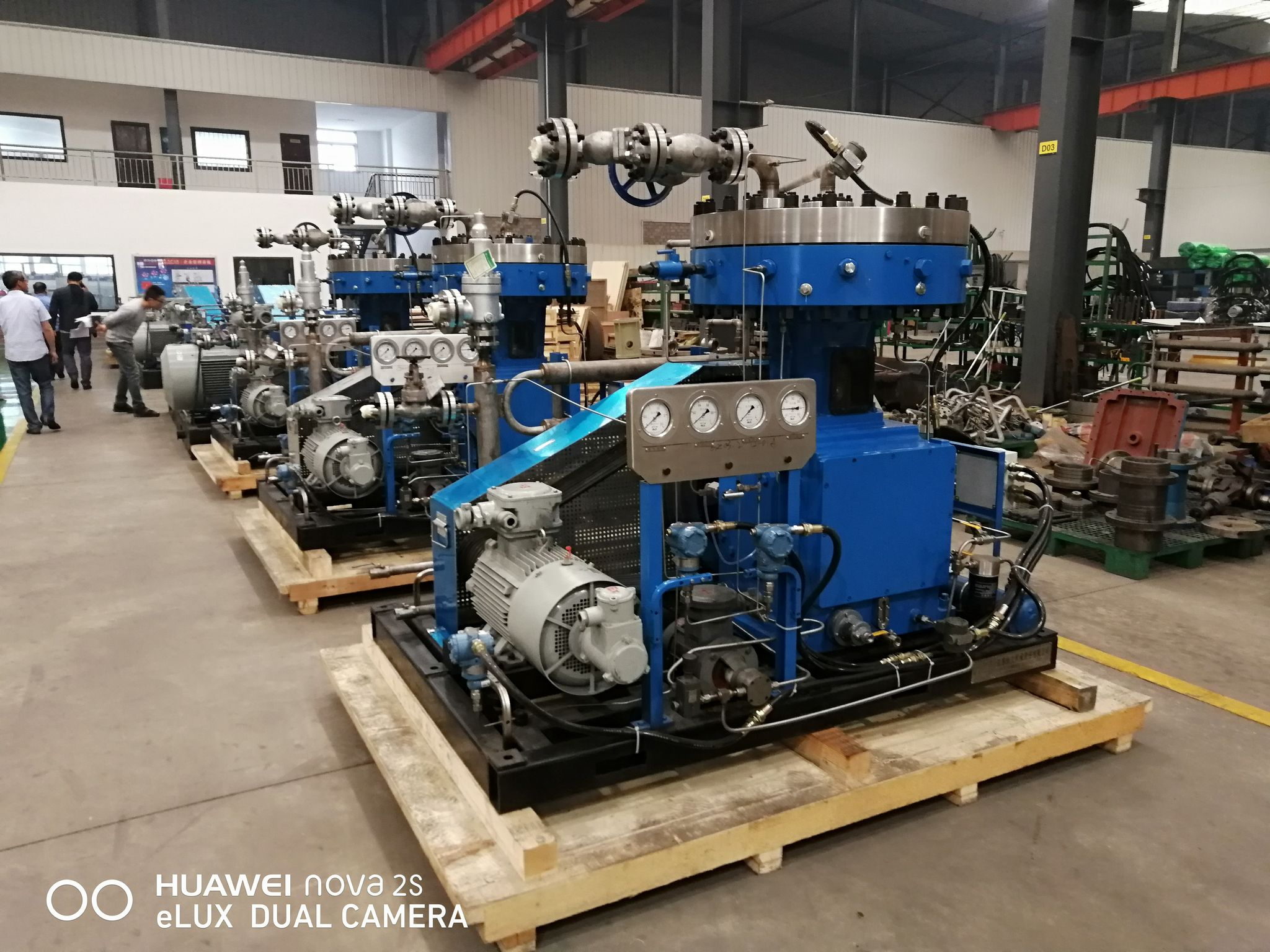
Maximize natural gas refueling throughput and cut operational costs by matching Huayan CNG piston compressor specifications to your station’s real-time operational demands. Facility engineers must evaluate dynamic inlet suction pressures, target discharge pressure limits, and international & Chinese national standards to secure maximum fuel delivery efficiency. Proper thermodynamic sizing eliminates parasitic power losses and controls interstage heat build-up during heavy-duty, 24/7 refueling cycles. This guide aligns with API 618 (6th Edition, 2024) (core industry standard for reciprocating gas compressors) and GB/T 3836 series explosive environment standards, covering standardized volumetric flow capacities and motor power baseline ranges for all station scales.
Key Definition Clarification (Critical for CNG Industry Metrics)
All volumetric flow values marked Nm³/h follow China CNG station standard conditions: 20°C, 101.325 kPa, in compliance with GB 50156-2021 Automotive Gas Station Technical Standard. CFM (cubic feet per minute) is only listed as an auxiliary conversion unit for overseas clients and not used as a primary metric for domestic station design.
表格
|
Station Scale |
Volumetric Capacity Range (Nm³/h) |
Motor Power Requirement (kW) |
| Small / Home Base | Up to 400 | ≤ 100 |
| Medium | 400 – 1,600 | 100 – 400 |
| Large / High-Volume | 1,600 – 10,000+ | > 400 |
Key Takeaways for CNG Station Compressor Sizing
- · Size compressor capacity based on peak refueling hours to eliminate long vehicle queuing lines and lost revenue.
- · Continuously monitor utility pipeline inlet pressures to select matched cylinder sizes and sustain consistent energy efficiency.
- · Integrate interstage cooling systems to lower inter-stage gas temperatures and extend service life of internal piston seals and valves.
- · Equip soft-start motor control systems to prevent grid power surges and reduce thermal wear on explosion-proof electric motors.
- · Specify high-grade stainless steel concentric valves to minimize pressure drop energy loss and extend core component service intervals.
- · All design, testing and safety configurations comply with API 618 and GB/T 3836 explosive environment standards for global & domestic compliance.
Baseline Sizing for CNG Piston Compressor Infrastructure
Efficient station infrastructure relies on mechanical hardware matched to actual peak refueling demand. Baseline sizing requires rigorous evaluation of volumetric capacity, variable inlet suction conditions, and target discharge pressure parameters per API 618 design clauses. Accurate mechanical matching avoids equipment overload and stabilizes optimal energy consumption across all day/night operation shifts.
1. Calculating Peak Hourly Volumetric Demand
Station capacity design must prioritize peak fleet refueling windows over average daily throughput—rush-hour vehicle arrivals create sharp demand spikes requiring instant compression output. Huayan CNG piston compressors deliver customizable volumetric flow rates from 110 Nm³/h up to 16,984 Nm³/h, covering light-duty home refueling to ultra-high-volume mother station requirements.
- · Oversizing equipment inflates unnecessary capital investment and creates idle power waste during low-traffic hours.
- · Undersizing compressors leads to slow refueling, long dispenser queues and customer churn.
Drive motor power is fully aligned with required volumetric output, with standard motor ratings ranging 11 kW to 500 kW, matched to crankshaft rotational speeds of 300 rpm to 980 rpm:
- · Lower rotational speeds (300–500 rpm): Reduce mechanical abrasion on piston rings, extending maintenance cycles for continuous operation.
- · Higher rotational speeds (600–980 rpm): Maximize instantaneous gas displacement to handle peak fleet refueling surges at busy public stations.
2. Evaluating Inlet Pressure Variations
Inlet suction pressure directly determines the total work load borne by your CNG piston compressor, and pipeline suction pressure fluctuates drastically based on regional natural gas grid consumption. Huayan compressors support an inlet pressure range of near-atmospheric pressure (0.001 MPa) to 3 MPa (30 bar)—0 MPa is excluded from engineering design as absolute vacuum cannot exist in real gas pipeline systems.
- · Higher inlet pressure increases gas density at the first-stage cylinder intake, boosting mass flow output without additional motor power draw.
- · Low suction pressure forces the compressor to distribute compression work across extra stages, raising power consumption and thermal load. Engineers must model the minimum guaranteed supply pressure from local gas utilities to select properly sized cylinders and prevent unbalanced inter-stage pressure ratios.
3. Target Discharge Pressure Selection
Discharge pressure parameters are engineered to safely fill station cascade storage banks and on-board vehicle CNG cylinders. Huayan multi-stage compression systems deliver target discharge pressures up to 25 MPa (250 bar) for standard CNG cascade storage, complying with GB 18047 Vehicle Compressed Natural Gas standard. Multi-stage compression paired with intercooling achieves these high pressures while tightly controlling internal gas temperatures to protect internal components.
表格
|
Parameter |
Baseline Sizing Criteria (API 618 & GB 50156 Compliant) |
| Flow Rate Capacity | Sized in primary Nm³/h (CFM as auxiliary conversion only) based on daily fueling throughput, peak demand spikes, and future station expansion plans. |
| Discharge Pressure | Must reach 200–250 bar via multi-stage compression + interstage cooling to maximize tank filling speed and storage capacity. |
| Duty Cycle Rating | Engineered for frequent stop-start cyclic operation without premature degradation of valves, packing seals, or motor starters; meets API 618 cyclic load requirements. |
| Safety & Regulatory Compliance | Fully integrated explosion-proof electrical systems, gas leak detection, and emergency shutdown systems certified for Zone 0 / Zone 1 explosive gas environments per GB/T 3836 series standards. |
Discharge outlets connect to three-bank cascade storage systems to maintain fast vehicle filling speeds. Interstage heat exchangers cool compressed gas between each stage before it enters subsequent cylinders—this cooling preserves piston seal integrity and maximizes the mass of gas transferred into high-pressure storage vessels. Correct discharge pressure sizing prevents safety relief valve tripping during rapid peak filling cycles.
Structural Configurations and Multi-Stage Thermodynamics
Compressor frame structures are selected based on station floor space, skid mounting requirements, vibration control, and noise limits. Fixed-base permanent stations typically use balanced horizontal frames, while modular skid-mounted refueling units adopt compact angled configurations. Frame selection directly impacts foundation pad design, mechanical vibration isolation, and long-term operational stability.
Complete Frame Type Classification (Added L-type per Huayan Product Library)
表格
|
Frame Type |
Classification |
Footprint / Structure |
Operational Performance & Stability |
| Z-type | Vertical | Minimal floor space footprint | Supports oil-free lubrication; higher inherent vibration levels; ideal for small compact stations |
| L-type | Mixed Vertical-Horizontal | Compact combined cylinder layout, medium footprint | Balanced vibration performance, widely adopted for medium-sized CNG skid stations in Huayan product range |
| D-type | Horizontal Symmetrical Balanced | Medium compact construction | Eliminates opposing reciprocating forces for superior dynamic balance, ultra-smooth stable operation for large high-flow stations |
| V-type | Angled Twin-Cylinder | Ultra-compact modular arrangement | Low operating noise, minimized vibration, perfect for enclosed skid-mounted container stations |
| W-type | Angled Multi-Cylinder | Dense multi-cylinder compact layout | Excellent overall force balance, stable continuous operation for medium-to-high flow applications |
Frame Configuration Selection Guide
- · Vertical Z-type: Saves floor space for small home/mini refueling stations but generates elevated vibration; requires heavy anti-vibration base mounts.
- · L-type: Unique vertical + horizontal cylinder combination, the mainstream model for medium-capacity CNG compressors, balancing footprint and vibration control.
- · Symmetrical D-type: Industry standard for large mother stations; counterbalanced reciprocating motion eliminates harmful vibration transfer to station pipelines.
- · Compact V-type & W-type: Optimized for noise-sensitive urban filling stations, with integrated sound insulation skid enclosures to cut operational noise levels.
Interstage Gas Cooling and Heat Dissipation
Gas compression generates extreme thermal energy across consecutive cylinder stages. Interstage cooling is mandatory to preserve volumetric efficiency and extend the service life of internal sealing components per API 618 thermal management clauses. Uncontrolled excess heat degrades valve performance, breaks down compressor lubricants, and reduces gas density entering downstream compression stages.
Huayan offers two standardized interstage cooling solutions tailored to site conditions:
1. Air-cooled heat exchangers: Equipped with variable-speed motorized cooling fans, designed for remote filling stations without accessible industrial water supplies.
2. Water-cooled heat exchanger loops: Delivers rapid, efficient heat dissipation for high-volume 24/7 continuous-duty large CNG stations, maintaining optimal volumetric efficiency during non-stop peak filling cycles.
Minimizing Thermal Degradation and Parasitic Power Loss
Precise thermal control across all duty cycles cuts parasitic power consumption and lowers long-term electricity expenses for station operators:
- · Cooler inter-stage gas occupies smaller physical volume at cylinder intakes, raising gas density so the compressor moves more gas mass without increasing motor shaft load.
- · Lower operating temperatures prevent thermal fatigue of piston rings, rod packing seals and cylinder liners.
- · For lubricated cylinder models, controlled heat eliminates premature lubricant oil breakdown, extending oil service intervals and reducing fluid replacement costs.
A fully cooled, properly sized CNG piston compressor optimizes specific energy consumption (kWh/Nm³) and delivers consistent maximum throughput during daily peak demand windows.
Operational Dynamics and Drive Control Integration
Duty Cycle Matching and Motor Power Sizing
Electric motor power must be precisely matched to the station’s peak continuous load cycle:
- · Oversized motors draw excessive idle reactive power during low-traffic hours, inflating monthly utility bills.
- · Undersized motors rapidly overheat during sustained peak demand, triggering electrical protection trips and halting refueling operations. Huayan’s standard motor lineup spans 11 kW to 500 kW, engineered to handle real-time variable station workloads without overloading electrical infrastructure, aligned with API 618 motor sizing guidelines.
Crankshaft rotational speed (300–980 rpm) is selected to optimize torque delivery:
- · Low rotational speeds stabilize torque transfer during sudden pipeline inlet pressure fluctuations, reducing mechanical shock on drive components.
- · Higher rotational speeds deliver fast volumetric displacement to process high volumes of refueling traffic during morning/evening rush hours.
Pneumatic Load Unloading and Soft-Start Safety Systems
Uncontrolled high inrush current during motor startup strains local power grids and damages motor winding insulation. All Huayan CNG compressors integrate dual protection systems to eliminate startup stress:
1. Soft-start motor control: Gradually ramps voltage to motor windings, limiting startup current surges to prevent thermal overload and extend motor insulation lifespan.
2. Pneumatic load unloading: Automatically depressurizes all compression stages before motor rotation begins. Solenoid vent valves release residual trapped gas inside cylinder cavities during startup sequences, removing static pressure load from the drive shaft. The motor accelerates to full operating speed with zero compression load before engaging full gas processing duty.
Noise Reduction and Mechanical Vibration Control
Reciprocating piston motion generates inherent mechanical vibration and airborne operational noise during continuous 24/7 running. Unmitigated vibration stresses external gas pipeline flanges and accelerates premature seal degradation. Huayan implements a two-layer vibration & noise control solution:
1. Heavy-duty damping isolation mounts under the compressor base skid absorb low-frequency vibration energy, stopping vibration transfer to station concrete foundation pads.
2. Optional sound-attenuating enclosed skid housings lined with high-density acoustic insulation suppress high-frequency valve and piston noise, meeting urban station noise limit regulations.
Combined dynamic isolation mounts and engineered acoustic barriers protect piping infrastructure and maintain safe, compliant sound levels for staff and surrounding residential areas.
Safety Compliance and Fugitive Gas Containment
Safety engineering is the core design priority for high-pressure natural gas handling equipment, with all Huayan compressors built to eliminate gas leakage hazards and protect on-site station personnel.
Hazardous Location Standards & Explosion-Proof Electrical Ratings
The original US Class 1 Division 1 hazardous area classification is replaced with China/IEC standard zoning per GB/T 3836 series explosive environment standards: CNG compressor rooms are classified as Zone 0 / Zone 1 explosive gas environments. All electrical components carry certified Ex explosion-proof ratings, complying with ISO9001 and CE international certifications.
- · Fully sealed explosion-proof motor enclosures isolate electrical arcs from surrounding methane gas vapor in Zone 1 hazardous filling areas.
- · Main control cabinets feature positive-pressure air purging systems: internal cabinet pressure is maintained higher than ambient air pressure to block flammable natural gas from penetrating sensitive relay and PLC circuits.
Piston Rod Packing Seals & Customizable Gas Recovery Loops
High-pressure cylinder gas naturally leaks along reciprocating piston rods; Huayan provides multiple customizable sealing schemes (nitrogen isolation sealing, closed gas recovery loops) tailored to individual compressor models and gas media, rather than a single universal design.
Standard closed gas recovery workflow (for general natural gas models): Piston Cylinder → Primary Packing Seal → Gas Recovery Vent Line → Low-Pressure Suction Intake
Minor blow-by methane captured by buffer chambers is routed back to the compressor low-pressure suction line, eliminating permanent gas waste and cutting station fuel loss. Specialized nitrogen barrier sealing is available for ultra-high purity gas or high-pressure special working conditions.
Automated Blowdown & Emergency Shutdown Safety Logic
Multi-point sensor monitoring tracks critical operational parameters including inter-stage pressure, lubricating oil temperature, discharge gas temperature, and mechanical vibration levels. When readings exceed pre-set safe thresholds, automatic protective safety sequences activate instantly:
1. Emergency alarm triggers visible/audible on-site alerts and remote station monitoring notifications.
2. Automated blowdown solenoid valves fully open to depressurize all internal compression stages during emergency stops.
3. High-pressure trapped gas is vented to dedicated safe relief manifolds, preventing mechanical back-rotation and isolating high-pressure cascade storage tanks from station hazard zones.
Component Metallurgy & Maintenance Optimization
Material selection directly determines component wear rate, maintenance frequency, and total station operating cost over the compressor service life. Huayan offers two core cylinder designs based on customer gas purity requirements: lubricated and oil-free non-lubricated cylinders.
Lubricated vs Oil-Free Cylinder Design Comparison
表格
|
Design Aspect |
Lubricated Cylinder Design |
Oil-Free (Non-Lubricated) Design |
| Gas Output Purity | Oil aerosol carryover possible; risk of contaminating downstream filters, dispensers and storage vessels | Zero oil carryover, fully protects sensitive downstream gas processing equipment and maintains pure CNG quality |
| Maintenance Intervals & Upkeep | Lubricant oil replacement cycles vary widely 2,000–8,000 hours, dependent on operating load, inlet gas cleanliness and lubricant grade; requires regular filter replacement and oil-water condensate separation treatment | Eliminates scheduled oil changes entirely; routine maintenance limited to intake filter cleaning and periodic PTFE seal replacement after long service runs |
Concentric Valve Selection for Reduced Pressure Drop
Corrosion-resistant stainless steel concentric suction/discharge valves are standard on all Huayan CNG piston compressors. This integrated single-body valve design maximizes internal gas flow area and lowers localized gas flow velocity:
- · Reduced gas velocity minimizes friction drag across valve sealing plates, cutting parasitic pressure drop and overall power consumption.
- · High-strength stainless steel valve plates resist impact fatigue from repeated opening/closing, doubling valve service life compared to split separate suction/discharge valve designs.
Crankcase Filtration & Real-Time Automatic Condition Monitoring
Spin-on full-flow oil filters trap micro metal wear particles inside the crankcase lubrication circuit, preventing premature bearing failure and stabilizing consistent operating temperatures. Integrated real-time monitoring sensors continuously track oil pressure, oil temperature, and frame vibration levels. The system automatically triggers alarm shutdown protection if any parameter breaches safe operating limits, preventing catastrophic mechanical failure and costly unplanned downtime.
Final Sizing Best Practices for Maximum Station Efficiency
Optimize your CNG station’s long-term energy performance and reliability by completing comprehensive engineering sizing before equipment purchase. Your selection checklist must cover:
1. API 618 and GB/T 3836 compliance for design, safety and testing standards
2. Peak volumetric flow demand and future station expansion capacity
3. Dynamic inlet pipeline pressure fluctuation modeling (minimum guaranteed suction pressure)
4. Frame structural configuration matching station footprint and noise/vibration limits
5. Air-cooled vs water-cooled interstage cooling selection based on site water access
6. Lubricated or oil-free cylinder selection based on gas purity requirements
7. Explosion-proof electrical certification matching Zone 0 / Zone 1 hazardous gas environments
Dynamic modeling of variable inlet pipeline pressure is mandatory to finalize compressor specifications. Natural gas grid supply pressure fluctuates drastically across morning, midday, evening and night shifts—accurate dynamic modeling guarantees your Huayan CNG piston compressor maintains full rated volumetric output during peak refueling surges without motor overload or efficiency degradation.
FAQ (Revised & Technically Accurate)
Q1: What inlet pressure range can Huayan CNG piston compressors handle?
Huayan custom CNG piston compressors support inlet suction pressures from near-atmospheric pressure (0.001 MPa) up to 3 MPa (30 bar). The multi-stage compression system boosts low inlet gas pressure to a maximum safe discharge pressure of 25 MPa (250 bar) for station cascade storage banks, compliant with GB 50156 CNG station design standards.
Q2: How do I choose between air-cooled and water-cooled interstage cooling systems?
- · Air-cooled heat exchangers: Recommended for remote rural filling stations, mobile skid units, and sites without continuous industrial cooling water supply. Motorized variable-speed fans dissipate interstage heat independent of water infrastructure.
- · Water-cooled heat exchangers: Ideal for large high-volume urban mother stations with 24/7 continuous refueling duty cycles. Water circulation delivers faster, more consistent heat removal to sustain maximum volumetric compression efficiency during non-stop peak operation.
Q3: What structural frame configurations are available for Huayan CNG compressors?
Five core frame designs for all application scenarios: Z-type (vertical), L-type (mixed vertical-horizontal), D-type (balanced horizontal), V-type (angled twin-cylinder), W-type (angled multi-cylinder). Compact V/W-type frames minimize noise and vibration for enclosed skid containers; balanced D-type frames deliver ultra-stable operation for large high-flow stations; L-type is the mainstream model for medium-sized standard CNG skid refueling units.
Q4: What standard motor power ratings and crankshaft speeds are offered?
Explosion-proof drive motor power ranges from 11 kW up to 500 kW, fully customizable to match station throughput requirements. Crankshaft operating speeds span 300 rpm to 980 rpm: low speeds extend piston ring service life, while higher rotational speeds deliver rapid gas displacement to handle heavy rush-hour refueling traffic. All motor and transmission design adheres to API 618 reciprocating compressor engineering standards.
Q5: Do all Huayan compressors use the identical piston rod gas recovery sealing loop?
No. Multiple sealing solutions are provided based on compressor model, working pressure and gas media: standard closed gas recovery loops for general natural gas service, and nitrogen isolation barrier packing seals for high-pressure, high-purity specialty gas compression applications. The gas recovery workflow can be customized during equipment engineering to match site process requirements.
Post time: Aug-11-2026