

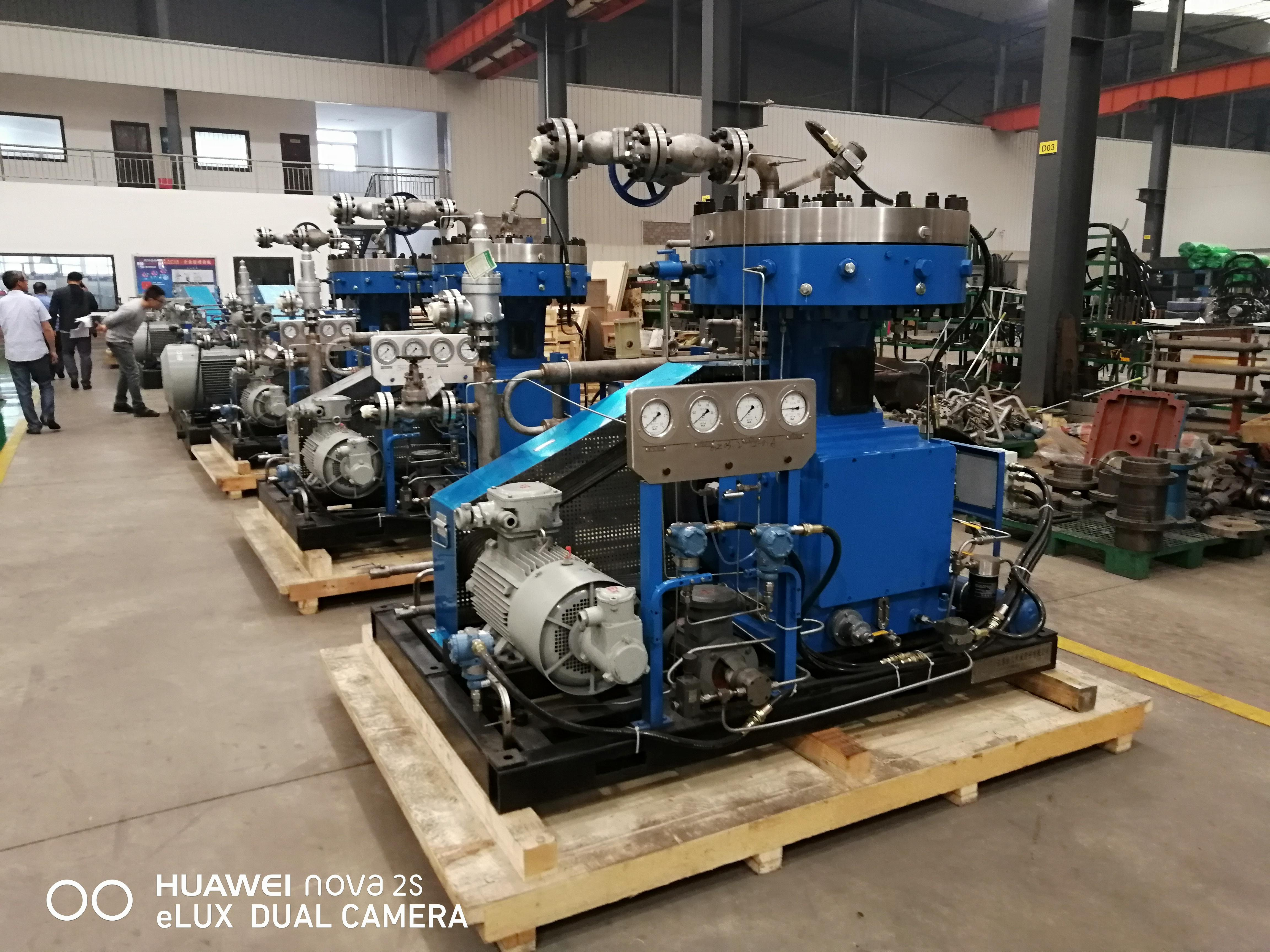
You can make gas pressurization easy and safe with a hydrogen compressor. Advanced models like Huayan Gas help you power modern energy systems. You gain efficiency and user-friendly operation. Safety features keep your workplace secure. The market shows strong growth, as seen below:
| Year | Market Size (Million $) |
| 2025 | 2,063.98 |
| 2032 | 2,823.29 |
Hydrogen compressors work in fuel stations, power plants, and heavy-duty transport. Certifications like ISO and ASME ensure reliability.
Key Takeaways
- · Hydrogen compressors simplify gas pressurization, offering high efficiency and user-friendly operation.
- · Safety features, including automatic shutdowns and alarms, ensure a secure working environment when using hydrogen compressors.
- · Customizable flow rates and compact designs allow for versatile applications in various industries, from fuel stations to power plants.
- · Regular maintenance and monitoring are essential for reliable operation, helping to prevent issues and extend the lifespan of the compressor.
- · Choosing a hydrogen compressor with low noise and easy installation can enhance workplace comfort and save setup time.
Hydrogen Compressor Simplifies Pressurization
Efficient Pressure Mechanism
You can rely on a hydrogen compressor to make gas pressurization simple and effective. The Huayan Gas Hydrogen Gas Compressor uses advanced piston technology. This design lets you choose the flow rate that fits your needs, from 3 NM³/hour up to 1000 NM³/hour. You can reach high outlet pressures, up to 100 MPa, which is important for many energy systems.
The table below shows how a hydrogen compressor improves the pressurization process compared to traditional methods:
| Benefit | Description |
| High-density storage | Compresses hydrogen to 350-700 bar, allowing for smaller storage volumes. |
| Improved transportation efficiency | Enables more hydrogen transport in fewer trips, reducing logistics costs. |
| Compact storage solutions | Takes up less space in facilities, allowing for more production area and easier layout modifications. |
| Enhanced safety | Advanced sealing and monitoring systems prevent leaks and improve operational safety. |
| Cost reduction | Lower operational costs due to fewer stages in compression and longer wear part life. |
You can also see that the hydrogen compressor offers customizable flow rates for different applications:
| Compressor Type | Flow Rate (Nm³/h) |
| Hydrogen Compressor | 10 – 1800 |
When you use a hydrogen compressor, you benefit from high energy efficiency. The system uses less energy for each unit of hydrogen compressed. You also get high pressure ratios, which means the compressor can deliver hydrogen at much higher pressures than it receives. The Huayan Gas Hydrogen Gas Compressor works with oil-free operation, so you get pure hydrogen for sensitive uses like fuel cells. The design also means you need less maintenance, which saves you time and money.
User-Friendly Operation
You will find that operating a hydrogen compressor is straightforward. The Huayan Gas Hydrogen Gas Compressor comes with features that make your job easier. You can install the system quickly, and it fits well with your existing pipelines. The compressor runs quietly, with noise levels below 80 dB. This creates a better work environment for you and your team.
Here are some ways a hydrogen compressor reduces complexity for users:
- · Multi-stage compression systems divide the work, which lowers energy use and makes the process easier to manage.
- · Variable speed drives and smart controls let you adjust the system as needed, so you do not waste energy.
- · Integrated systems can combine compression with purification, so you have fewer steps to handle.
You will also notice that the compressor is easy to maintain. The design uses strong materials, so you do not need to worry about frequent repairs. The system responds quickly to changes in demand, which helps you keep your operations running smoothly.
Tip: Choose a hydrogen compressor with low noise and easy installation to improve your workplace comfort and save setup time.
With these features, you can see why the hydrogen compressor is a smart choice for making gas pressurization both simple and efficient.
Safety Features of Hydrogen Compressor
Built-in Safety Systems
You need strong safety systems when you work with hydrogen. The hydrogen compressor uses advanced control systems that monitor every part of the operation. These systems detect failures and respond quickly. If a critical issue happens, the compressor shuts down automatically. This protects you and your equipment from harm.
Alarm systems play a key role. They alert you to problems like low oil pressure, high temperature, or leaks. When an alarm sounds, the compressor can isolate the faulty part and activate backup systems. This fast response keeps your workplace safe and reduces downtime.
You also benefit from certifications that show the compressor meets strict safety standards. The table below explains what each certification means for you:
| Certification | Description | Benefits |
| CE | Compliance with EU Machinery Directive | Access to European markets, no regulatory barriers |
| ISO 9001 | Quality Management System | High delivery rates, lower lifecycle costs |
| ATEX | Explosion Protection for hazardous areas | Less downtime in oil, gas, chemical, and mining operations |
Built-in safety systems prevent accidents in several ways:
- · Integrated control systems automate processes to avoid abnormal situations.
- · Hydrogen gas detectors and monitoring systems help you spot leaks early.
- · Proper ventilation stops hydrogen gas from building up.
- · Compressors use strong materials and effective seals to prevent leaks.
- · Ignition sources are managed carefully to avoid fires.
Note: You should always check that your compressor has these safety features and certifications before you start your operation.
Reliable and Controlled Operation
You want your hydrogen compressor to run smoothly and safely every day. Reliable operation comes from smart controls and constant monitoring. The compressor tracks pressures, temperatures, vibrations, and leaks. Automated systems respond to abnormal conditions faster than any person could.
Redundant sensors make sure you get accurate readings. If one sensor fails, another takes over. Tiered alarm systems prioritize responses based on urgency. Automated shutdown sequences start when the system detects a critical issue. This prevents damage and keeps you safe.
The table below shows how operational controls help you:
| Control Type | Description |
| Monitoring Parameters | Tracks key data to ensure safe operation |
| Control Systems | Responds automatically to abnormal conditions |
| Redundant Instrumentation | Uses multiple sensors for accurate readings |
| Hydrogen Specific Alarm Logic | Prioritizes alarms based on urgency |
| Automated Shutdown Sequences | Shuts down system when critical issues arise |
| Predictive Diagnostics | Anticipates maintenance needs |
| Integration with Safety Systems | Connects to Safety Instrumented Systems and Emergency Shutdown systems |
| Compliance with Standards | Meets industry standards for operational safety |
Hydrogen compressors use advanced monitoring and feedback to adjust for changing pressure conditions. Predictive adjustments help prevent inefficient operation and reduce energy waste. High-pressure storage buffers and intelligent pressure management systems allow for smooth demand variations. This keeps the compressor running at steady rates and avoids sudden changes.
Variable speed drives let the compressor match its speed to your needs. This saves energy and reduces mechanical stress. Load distribution among multiple compressors keeps the system stable. Each unit works within its best range, so you get reliable performance and longer equipment life.
Tip: Reliable operation depends on smart controls, regular monitoring, and strict safety protocols. You should always follow these steps to keep your workplace safe.
Hydrogen Compressor vs. Other Methods
Comparison of Pressurization Solutions
You can choose from several methods to pressurize hydrogen gas. Each method offers unique benefits and challenges. When you use a hydrogen compressor, you gain high energy efficiency and safety. Mechanical compressors reach energy efficiencies between 65% and 80%. Electrochemical compressors can exceed 90% efficiency, which reduces mechanical losses. Ionic liquid-based systems lower energy consumption by up to 35% compared to traditional methods.
Here is a table that shows the main advantages of hydrogen compressors over other solutions:
| Advantage | Description |
| High Purity Output | Delivers hydrogen suitable for sensitive applications. |
| No Moving Parts | Reduces mechanical wear and maintenance needs. |
| Inherent Safety Features | Built-in safety mechanisms minimize risks. |
| Reduced Mechanical Wear | Longer lifespan and lower operational costs. |
| Improved Energy Efficiency | Optimizes energy use for cost savings. |
| Integration with Waste Heat | Uses waste heat to boost efficiency. |
You also benefit from established safety protocols. Regulatory bodies like ISO and NFPA set standards for handling high-pressure hydrogen. These standards help you operate safely and confidently.
Hydrogen compressors require less maintenance than traditional mechanical systems. Electrochemical compressors have fewer moving parts, which means less wear and tear. You spend less time and money on repairs.
Real-World Applications
You see hydrogen compressors in many settings. Fuel filling stations use them to deliver hydrogen for vehicles. For example, the FuelCell Energy / Toyota Tri-gen Plant in Long Beach, California produces renewable hydrogen for fueling. The Iwatani Hydrogen Refueling Station in La Mirada, California added hydrogen capability to an existing petroleum site. Hawaii’s Green Hydrogen Station for Servco supports clean energy goals.
Industrial hydrogen production relies on different compressor types. Reciprocating piston compressors handle high pressures and large flow rates. Diaphragm compressors provide contamination-free compression for high-purity hydrogen. Centrifugal compressors deliver high flow capacity for large plants. The hydrogen compressor adapts to various applications, including hydrogen production and refueling.
You can use stationary, mobile, or skid-mounted compressors. Skid-mounted stations offer lower installation costs and faster deployment. Modular designs let you scale and relocate systems easily. This versatility helps you meet changing demands in transportation, industry, and energy.
Tip: Choose a compressor that fits your application and offers low maintenance for long-term savings.
You solve pressurization challenges with hydrogen compressors like Huayan Gas. Advanced containment and monitoring systems keep your workplace safe. Dry gas seals and strong alloys prevent leaks and ensure reliability. You benefit from efficient storage, stable operations, and compliance with global safety standards.
| Benefit | Description |
| Ease | Simple installation and user-friendly controls |
| Safety | Built-in alarms and explosion-proof design |
| Reliability | Durable materials and stable performance |
Consider hydrogen compressors for your operations. You support clean energy and improve efficiency.
FAQ
What is a hydrogen compressor used for?
You use a hydrogen compressor to increase the pressure of hydrogen gas. This helps you store, transport, or use hydrogen in fuel stations, factories, and energy systems.
How do you maintain a hydrogen compressor?
You check oil levels, inspect seals, and listen for unusual noises. You follow the maintenance schedule in your manual. Regular checks help you prevent problems and keep the compressor running smoothly.
Are hydrogen compressors safe to use?
You stay safe because modern compressors have alarms, automatic shutdowns, and strong materials. Certifications like ISO9001 and CE show that the compressor meets strict safety standards.
Can you install a hydrogen compressor by yourself?
You can install many compressors easily, especially skid-mounted or mobile types. You should follow the manufacturer’s instructions and ask a professional for help if needed.
Post time: Jul-31-2026